

DevLog #2
The screening month, the workspace layout, a workspace supply list, the turret prototype, sponsorship work, and mentoring.
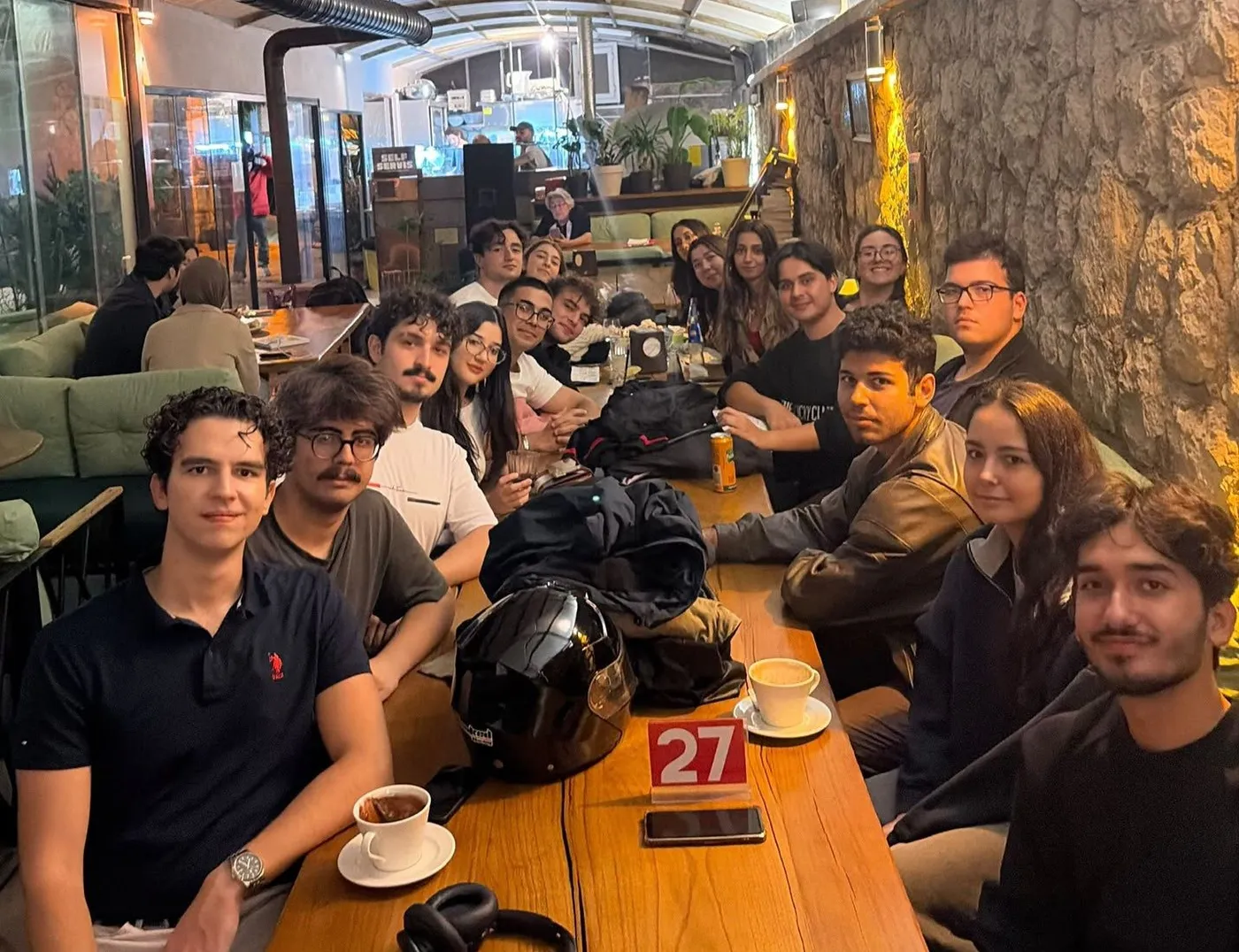
I’ll open the way Doruk did.
Dear Robotic Systems Enjoyers,
In the first post, Doruk told the story of how the club was founded, TopTop, and everything that led up to this point. This time I’m the one at the keyboard. About a month has passed since the last post. In the meantime we’ve been busy with how the team works, our workspace, the screening month, and technical and sponsorship preparations. I wanted to tell you a bit about all of it.
After TopTop: forming the teams
After TopTop, our first job was to form the teams and a working routine from the applications we received. People from many different departments and with different levels of experience came together. To help everyone find the area they care about, know what to work on, and move forward with the team, we held an introductory meeting and assigned tasks within the sub-teams.
Since we’re a new club and didn’t want to judge people through interviews, we decided on a “screening month” (eleme ayı), a month in which we work on projects together with the people who joined us. That way we hoped to learn far more than a 10-15 minute interview could tell us, and to reduce the chance of wrongly turning someone away. The first step of the screening month was simply showing up to our introductory meeting. We decided to drop people who didn’t come without an excuse.
The screening month is currently running with 48 of our friends. We follow the tasks given and the work done along the way, and we’ve set the closing date as November 27. What I hope to see is how well the teams work together internally. We also want to make the process easier by writing technical reports and planning more deliberately. What we ask most of everyone is sincerity. If we can get that right, I think we can handle everything else.
What’s happening in the workspace?
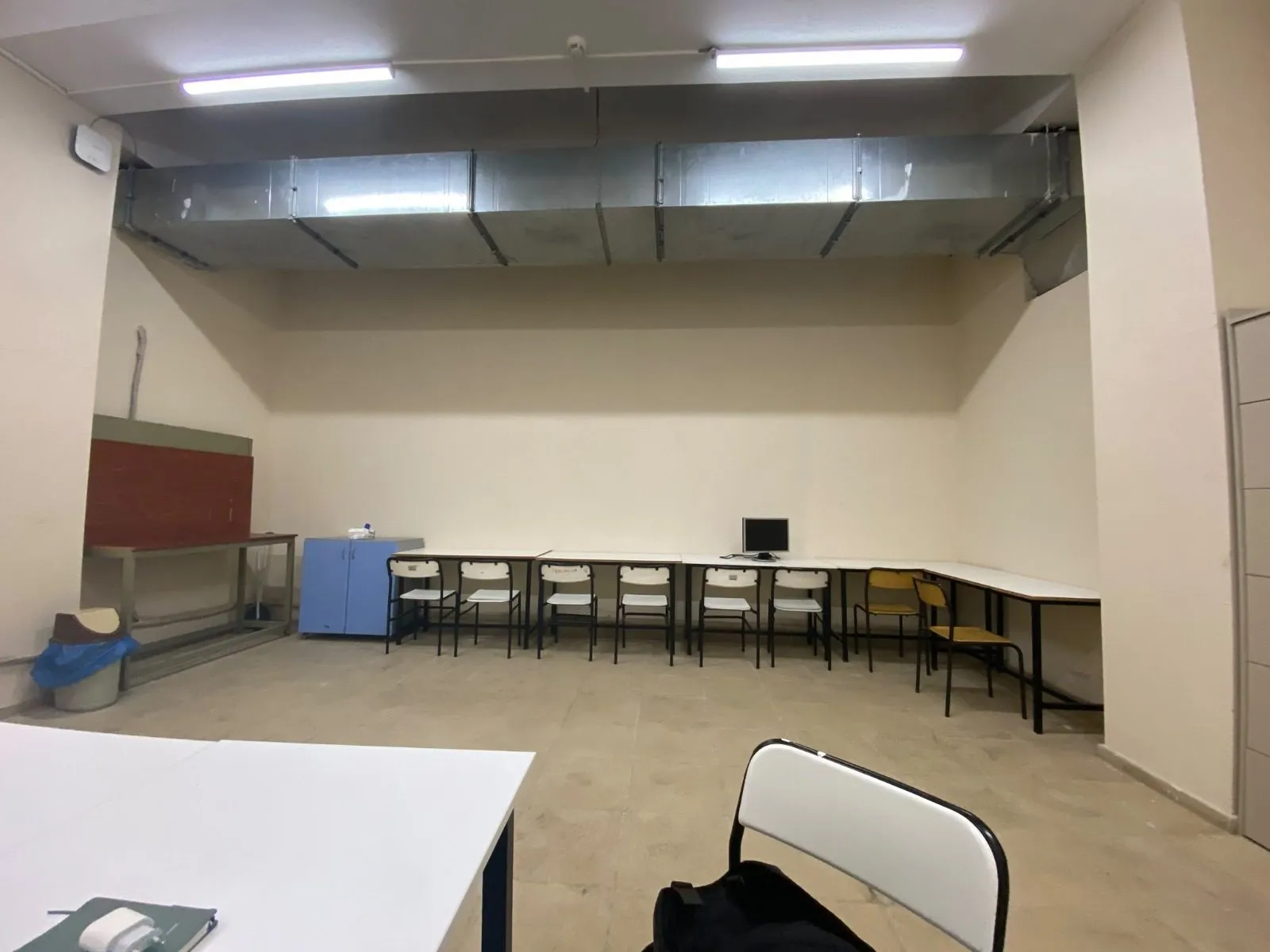
There’s progress on the workspace too. After the long search we described in the first post, we’re now working on the room’s layout and needs. Just being able to hold our meetings here is a nice step forward for us.
When we first went in, the section where our room is was very dirty. So the team got together and spent a day cleaning the room and the hallway outside it. Fifteen friends came to help with the cleaning alone. That surprised me a little and made me very happy. After that we set up our tables, chairs, and cabinets, and the room reached its current state.
To judge the layout more easily, we also built a 3D model of the room, so we can try different arrangements digitally. We’re now working on a 3D system, with the materials we’ll need added to it, that we can show to sponsors. I hope we can present it on our website once it’s finished.
A workspace supply list
We have a room, but we also need to fill it with equipment. So we researched what a workspace needs and put together a supply list: hand tools, measuring instruments, soldering equipment, filament, and many other items, big and small.
Our main motivation for the list is that some companies may prefer to give material support instead of cash. We prepared a list we can use when buying things ourselves and pass on to sponsors when they ask. We had also given the preparation of this list to our friends as a screening month task. In this way we’re trying to make sure the assigned tasks turn into real outputs. You can find the supply list in the sponsorship section of our website.
The technical side
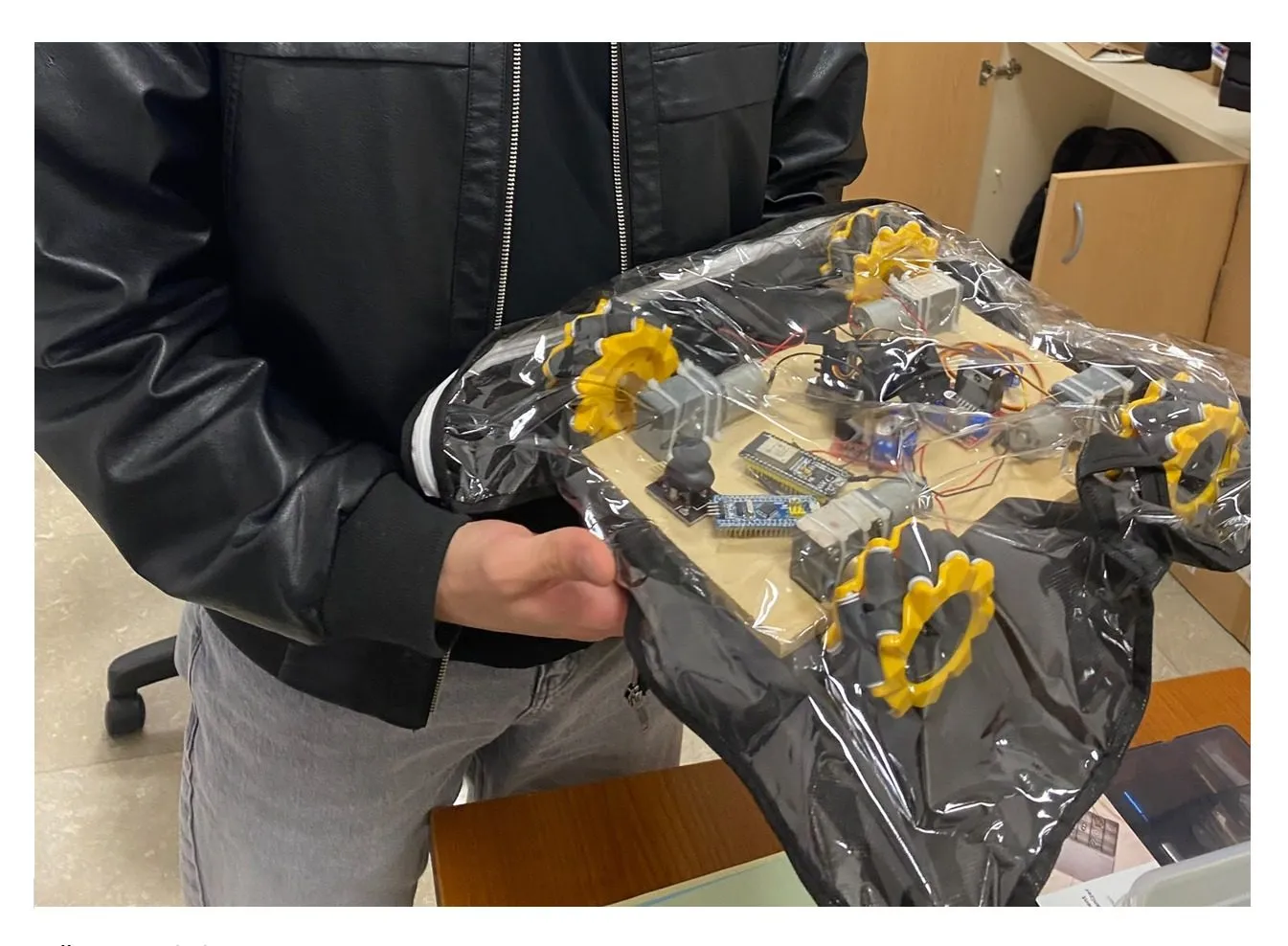
On the technical side, Ekrem, a PhD student and research assistant in our university’s electronics and communication department, gave us some of his equipment as a donation. One of the items was a chassis with mecanum wheels. Using the motors on this chassis, together with the motor drivers and control boards he provided, we started working on a turret prototype. We divided the work among ourselves and planned the process.
Alongside that, we pushed our technical research forward as part of the screening month. In mechanical, we looked into reference robots, drive systems, feeding, and launcher options. In electronics, we worked on batteries, power distribution, control boards, a mini PC, and cameras. In software, the first tasks are done: Python basics, capturing the target angle, and color filtering and masking with OpenCV. We want the screening month tasks to both help our friends learn and contribute to the preparations for our competition robot.
We’re also a club that uses AI very actively. We knew AI could produce CAD and part designs, but we wanted to try it on a real system. Out of curiosity, our mechanical captain Tarık tried making the CAD of the turret prototype with Claude. The result both amazed us and made us think. Of course the design decisions behind it are ours, but seeing it produce such a clean and good-looking design made us reconsider things going forward.
Maybe it’s because I spend so much time on sponsorship, but I want to build this prototype for several reasons. The first is having concrete results in hand when we go to sponsors. When we arrive with finished, working things, it’s easier to convince the person across the table to fund our project.
We also want to see the project-building process and test our own technical knowledge. Seeing the difficulties we might face in the turret system of our competition robot, and how our teams work with each other, will be a very important experience for us.
Task tracking and mentoring
To track tasks more effectively, we first considered task apps like Notion and Trello. After going back and forth between the two, we decided to build our own system by combining the features we liked in both.
At first this scared me, because a part we got wrong or left incomplete could cost us time. But as time passed it became an area I really love. I’d very much like the idea of building the systems we use ourselves to show up in other work later and become part of our club’s culture.
We’ve also started using task tracking inside the team more consistently. We turn the items we discuss in meetings into tasks in the panel and assign owners. Instead of discussing the same topic from scratch at the next meeting, we want to look at the work done and continue from there. We’re also working to make technical reports and task outputs part of this routine.
Meanwhile, some master’s students offered to help our team. We thought about how we could benefit from their knowledge and experience and how to set up a mentoring structure. Based on the feedback we got from them, I think we now have a good system.
In the system we built, they join the teams and take an active role in the work. Likewise, while we try to learn about our own departments, we benefit from their experience. Being able to get opinions from experienced people and discuss our research and designs with them is very valuable to us.
Where do we stand on sponsorship?
Sponsorship was another subject we spent time on this month. First we approached the companies and people we already knew. Four of those companies are in contact with us, and we’re waiting to hear back. We also received our first sponsorship from Cesatur, which covered some of the team’s needs. With support from Tekyaz and SOLIDWORKS, we obtained a SOLIDWORKS 2026 license for our mechanical work.
We also worked on a system that could help us a lot in finding sponsors. We researched companies that might fit our needs and built a candidate list of nearly 600 companies. We sorted them into categories by our support requests and their characteristics, and prepared support request letters for each category.
To reduce the chance of our emails landing in spam folders, we also decided to get a Google Workspace membership. We’re experimenting with sending emails at certain times and in certain ways to see how many replies we get and how fast. This way we’re trying to find the most effective times and ways to send. We also set up a system to track correspondence and replies, and we try to keep a clear record of who we’ve contacted and at what stage we are.
We’re also looking at chances to meet companies face to face. We researched relevant trade fairs in and around Izmir and prepared a visit calendar. We met with IzQ and Teknopark Izmir. We prepared material describing our needs and our prototype plan so they can pass it on to companies that might become sponsors. The supply list helped here too; when you ask for support, you need to show concretely what you need.
We also settled the question of dues for the workspace’s day-to-day needs. We decided first in the board and then asked the friends in the team. While the search for a large sponsorship continues, we have to think about how to cover small but constant expenses. In a newly founded club, each of these takes extra time and tracking. So we asked the volunteers in the club for monthly dues of 100 TL.
Events and plans
On the events side, we prepared an image processing workshop for CodeNight, an event organized by our university’s software club. It was both educational and fun.
We also considered the idea of a CADATHON, but postponed it to a later date. There’s a lot we want to do at once; we’re trying to move forward by taking into account the current work and the time the team can spare.
Mentoring we give and plan
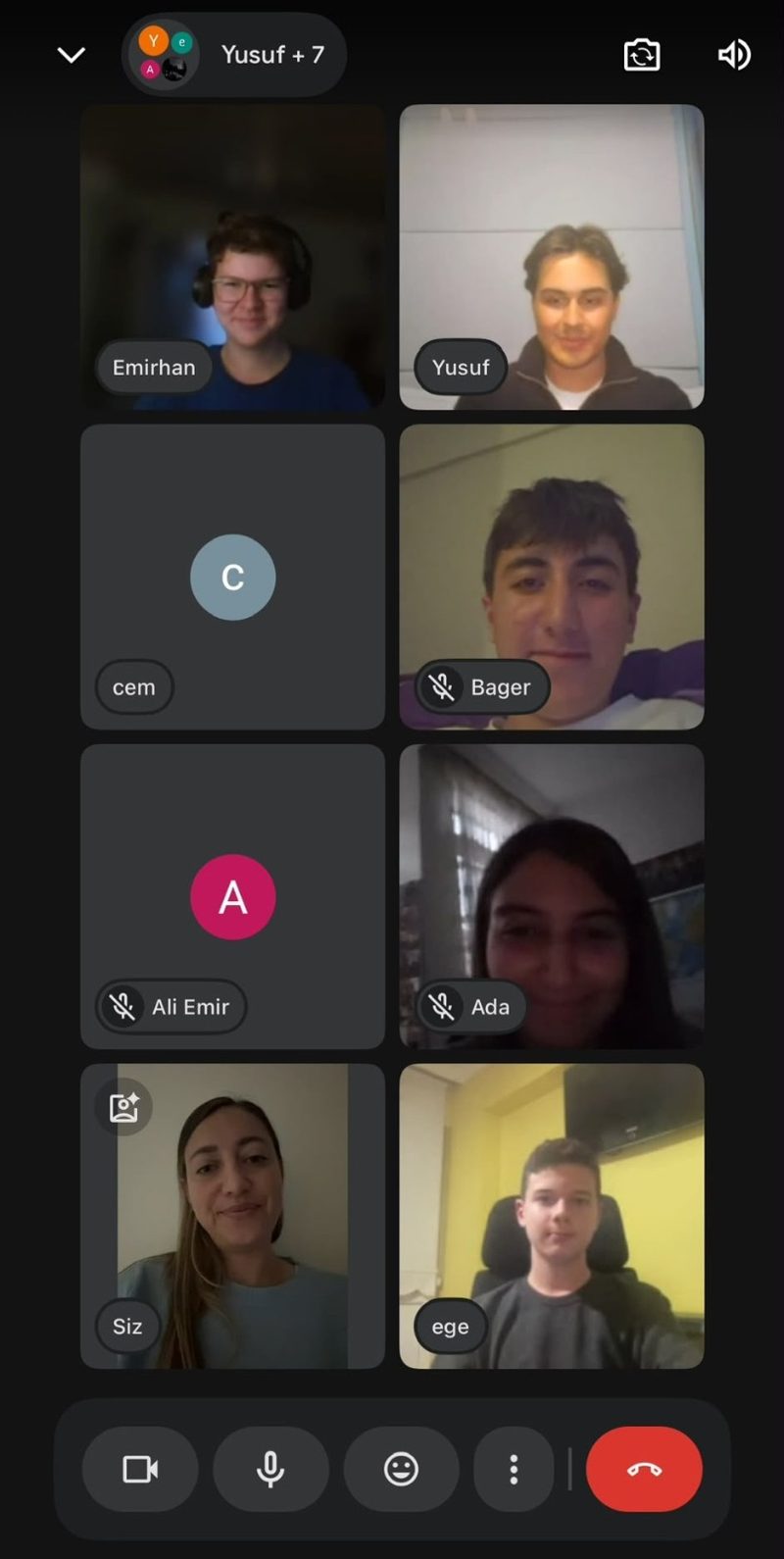
Even though we’re a new club, we’re currently mentoring the RoboLeague Mega Futro team of 60. Yıl Anadolu High School. We support them in planning, choosing parts, the 3D design of their robot, and related steps.
I care a lot about this kind of help because when I was trying to get into this work in high school, I had older students from university who supported me. We’re trying to keep that legacy going by helping our friends in the same way.
A foundation, whose name we think it’s better to share once the project is confirmed, came to us with a program that is currently in the planning stage. The program aims to bring together girls from the villages around IZTECH at our university and give them robotics training.
They told us they need instructors and asked whether we could help as a club. We said we’d gladly join their project. We’re very excited for this project, which is currently awaiting approval, to happen.
What’s next?
Ahead of us are the close of the screening month, the needs of the workspace, and technical preparations for our turret prototype. In the next posts I hope to describe the designs, the trials, and the results in more detail.
Final words
For me, most of this month went into these things. One day we look at the room layout, another day we compare material prices, then we talk about team tasks or sponsorship emails. While doing all this, we’re also trying to keep up with our classes. It gets tiring sometimes, but it’s good to see the things we talked about in the founding stage turn into tasks and work.
That’s all for now. See you in the workspace! 🐘⚡
Yusuf Koymatoğlu
Founding President of the Club